Don't Ignore Anxiety—Your Heart Feels It Too
By Navya Curemedics India Pvt. Ltd
June 29, 2026
Tips
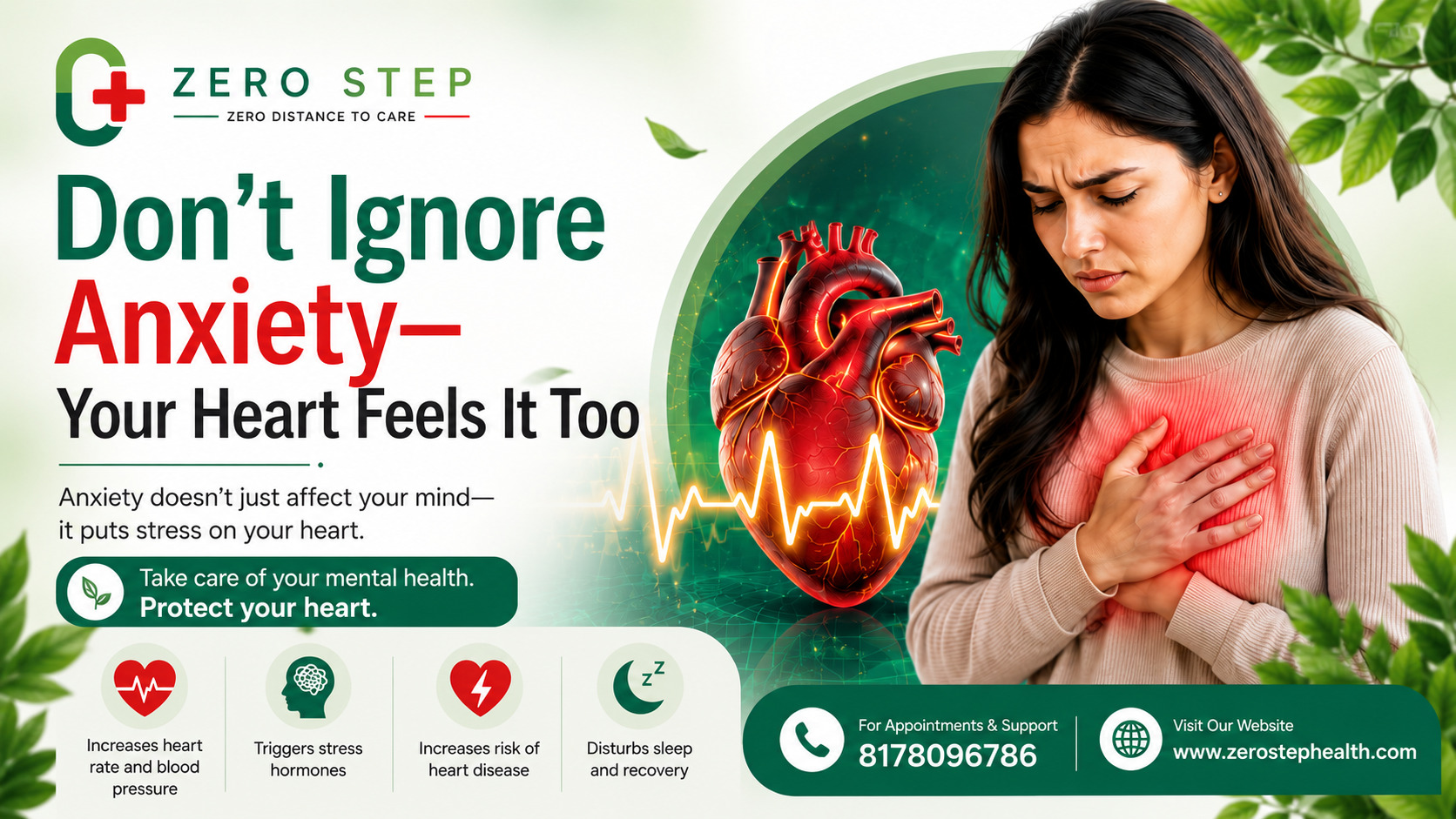
Don't Ignore Anxiety—Your Heart Feels It Too
The Hidden Connection Between Anxiety and Heart Health
Anxiety is a common mental health condition that affects millions of people worldwide. While most people recognize anxiety as excessive worry, nervousness, or fear, many are unaware that it can also impact physical health—especially the heart.
Your mind and body work together, and when anxiety becomes chronic, it can place significant stress on your cardiovascular system. Understanding how anxiety affects your heart is the first step toward protecting both your mental and physical well-being.
What Happens During Anxiety?
When you experience anxiety, your body activates its natural "fight-or-flight" response. This response releases stress hormones such as adrenaline and cortisol, preparing your body to react to danger.
As a result, you may experience:
Increased heart rate
Rapid breathing
Elevated blood pressure
Muscle tension
Sweating
Occasional anxiety is normal. However, frequent or long-term anxiety can have lasting effects on overall health.
How Anxiety Affects Your Heart
1. Rapid Heartbeat and Palpitations
Anxiety often causes your heart to beat faster than normal. You may experience heart palpitations, fluttering sensations, or a racing heart. While these symptoms are usually temporary, repeated episodes can put extra strain on the heart.
2. High Blood Pressure
Stress hormones released during anxiety can temporarily increase blood pressure. Chronic anxiety may contribute to sustained high blood pressure, a major risk factor for heart disease.
3. Increased Risk of Cardiovascular Disease
Research suggests that long-term stress and anxiety can increase inflammation in the body, potentially contributing to the development of cardiovascular conditions.
4. Sleep Problems
People with anxiety often struggle with insomnia or poor-quality sleep. Inadequate sleep can negatively affect heart health, immunity, and overall well-being.
5. Unhealthy Lifestyle Habits
Anxiety may lead some individuals to adopt unhealthy coping mechanisms such as:
Smoking
Excessive alcohol consumption
Emotional eating
Physical inactivity
These habits can further increase the risk of heart disease.
Common Symptoms of Anxiety
Recognizing anxiety symptoms early can help prevent complications. Common symptoms include:
Excessive worry
Rapid heartbeat
Chest tightness or discomfort
Shortness of breath
Restlessness
Irritability
Fatigue
Difficulty concentrating
Trouble sleeping
Panic attacks
If you experience severe chest pain or symptoms suggestive of a heart attack, seek immediate medical attention.
Tips to Protect Your Mind and Heart
Exercise Regularly
Physical activity reduces stress hormones and improves cardiovascular health. Aim for at least 30 minutes of moderate exercise most days of the week.
Prioritize Quality Sleep
Getting 7–8 hours of restful sleep each night supports both mental and heart health.
Practice Relaxation Techniques
Meditation, yoga, deep breathing exercises, and mindfulness can significantly reduce anxiety levels.
Eat a Heart-Healthy Diet
Include fruits, vegetables, whole grains, lean proteins, and healthy fats in your daily diet.
Stay Connected
Talking with family, friends, or support groups can help manage stress and improve emotional well-being.
Seek Professional Help
If anxiety is affecting your daily life, consult a healthcare professional or mental health specialist for guidance and treatment.
When Should You See a Doctor?
Consult a healthcare provider if:
Anxiety symptoms persist for several weeks.
Anxiety interferes with daily activities.
You frequently experience chest pain or heart palpitations.
You have existing heart disease and notice worsening symptoms.
Early diagnosis and treatment can improve quality of life and reduce health risks.
Final Thoughts
Anxiety is not just a mental health issue—it can affect your entire body, including your heart. Taking anxiety seriously and seeking timely support can help protect your emotional and cardiovascular health.
Remember, caring for your mental health is an essential part of caring for your heart.
Frequently Asked Questions (FAQs)
Can anxiety cause chest pain?
Yes. Anxiety can cause chest tightness or discomfort. However, any severe or persistent chest pain should be evaluated by a doctor.
Can anxiety increase heart rate?
Yes. Anxiety commonly causes rapid heartbeat and heart palpitations due to stress hormone release.
Does chronic anxiety increase the risk of heart disease?
Long-term anxiety may contribute to high blood pressure, inflammation, and unhealthy habits that can increase cardiovascular risk.
How can I reduce anxiety naturally?
Regular exercise, quality sleep, meditation, healthy eating, and social support can help reduce anxiety naturally.
Can treating anxiety improve heart health?
Yes. Managing anxiety can reduce stress levels, improve sleep, and support overall heart health.
Tags:
Anxiety and Heart HealthAnxiety SymptomsChronic AnxietyHeart DiseaseMental HealthStress and Heart HealthAnxiety DisorderCardiovascular HealthAnxiety Chest PainHigh Blood PressureStress ManagementMental Wellness
← Back to all blogs