What Does a High Creatinine Level Mean?
By Navya Curemedics India Pvt. Ltd
July 10, 2026
Tips
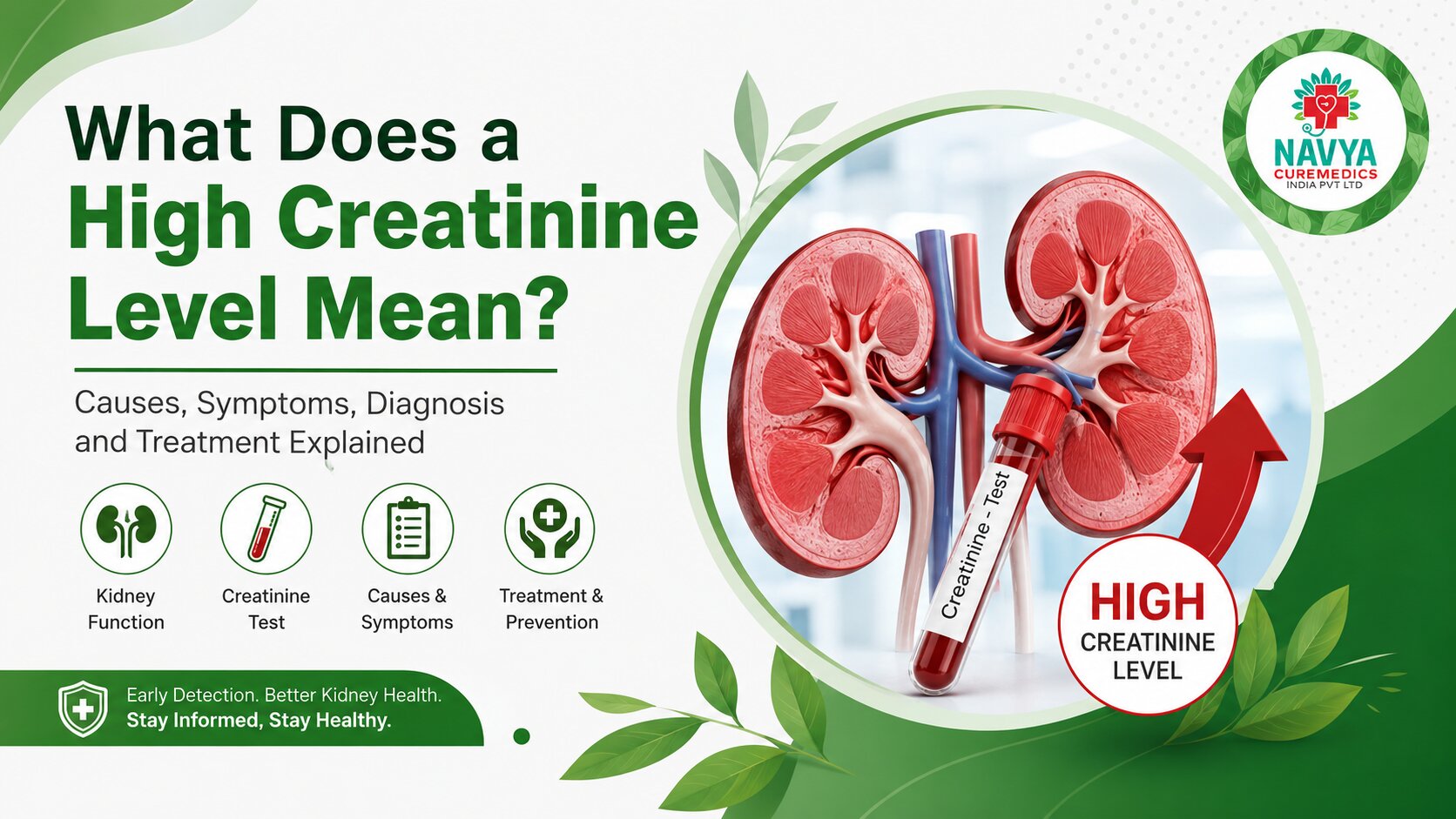
A high creatinine level is often one of the earliest warning signs that your kidneys may not be working properly. While a single elevated creatinine result doesn't always indicate serious kidney disease, it should never be ignored. Understanding what creatinine is, why levels rise, and when to seek medical attention can help protect your kidney health and prevent complications.
In this comprehensive guide, we'll explain everything you need to know about high creatinine levels, including common causes, symptoms, diagnosis, treatment options, and preventive measures.
What is Creatinine?
Creatinine is a waste product produced naturally when your muscles use energy. Every day, your body generates creatinine, which is filtered out of the blood by the kidneys and removed through urine.
Healthy kidneys efficiently eliminate creatinine from the bloodstream. When kidney function declines, creatinine begins to accumulate in the blood, resulting in elevated creatinine levels.
Because of this, serum creatinine is one of the most important blood tests used to evaluate kidney function.
Normal Creatinine Levels
Normal ranges may vary slightly depending on the laboratory.
Category Normal Creatinine Level
Adult Men 0.7–1.3 mg/dL
Adult Women 0.6–1.1 mg/dL
Children 0.3–0.7 mg/dL
Factors such as age, muscle mass, hydration, and diet can slightly influence creatinine levels.
What Does a High Creatinine Level Mean?
A high creatinine level usually indicates that your kidneys are not filtering waste effectively.
However, elevated creatinine does not always mean kidney failure. Temporary increases can occur due to:
Dehydration
Intense exercise
High-protein diets
Certain medications
Persistent high creatinine levels require further evaluation to identify the underlying cause.
Common Causes of High Creatinine Levels
1. Chronic Kidney Disease (CKD)
One of the most common reasons for elevated creatinine is chronic kidney disease. CKD develops gradually and reduces the kidneys' filtering capacity over time.
Risk factors include:
Diabetes
High blood pressure
Family history
Obesity
Smoking
2. Acute Kidney Injury (AKI)
A sudden rise in creatinine may indicate acute kidney injury, which can occur due to:
Severe dehydration
Serious infections
Low blood pressure
Certain medications
Surgery complications
AKI often improves with prompt treatment.
3. Dehydration
When the body lacks sufficient fluids, blood flow to the kidneys decreases, temporarily increasing creatinine levels.
4. Diabetes
Poorly controlled diabetes damages tiny blood vessels inside the kidneys, reducing filtration efficiency.
5. High Blood Pressure
Long-term hypertension damages kidney tissues and gradually raises creatinine levels.
6. Kidney Stones
Kidney stones can block urine flow, increasing pressure inside the kidneys and elevating creatinine.
7. Urinary Tract Obstruction
Conditions like:
Enlarged prostate
Tumors
Bladder disorders
can reduce urine drainage and impair kidney function.
8. Certain Medications
Some medicines may temporarily increase creatinine, including:
NSAID painkillers
Certain antibiotics
Chemotherapy drugs
Contrast dyes used in CT scans
9. Muscle Injury
Severe muscle damage releases large amounts of creatinine into the bloodstream.
Symptoms of High Creatinine Levels
Early kidney problems often have no symptoms.
As creatinine levels continue to rise, symptoms may include:
Fatigue
Weakness
Swelling in the legs and feet
Reduced urine output
Foamy urine
Blood in urine
High blood pressure
Nausea
Vomiting
Loss of appetite
Shortness of breath
Difficulty concentrating
How is High Creatinine Diagnosed?
Doctors typically recommend several tests.
Blood Test
Measures serum creatinine.
eGFR (Estimated Glomerular Filtration Rate)
Calculates kidney function based on:
Age
Gender
Creatinine level
Urine Test
Checks for:
Protein
Blood
Infection
Kidney damage
Kidney Ultrasound
Detects:
Kidney stones
Structural abnormalities
Blockages
Additional Tests
Your doctor may also order:
Blood urea nitrogen (BUN)
Electrolytes
Urine protein analysis
Kidney biopsy (if necessary)
Treatment for High Creatinine Levels
Treatment depends on the underlying cause.
Manage Underlying Conditions
Control
Diabetes
Blood pressure
Heart disease
Stay Hydrated
Adequate water intake helps maintain proper kidney filtration unless restricted by your doctor.
Adjust Medications
Doctors may:
Stop kidney-harming medicines
Adjust medication doses
Never stop medications without medical advice.
Healthy Kidney Diet
A kidney-friendly diet often includes:
Lower sodium
Moderate protein
Limited processed foods
Fresh vegetables
Fruits (as recommended)
Whole grains
Advanced kidney disease may require restricting potassium and phosphorus.
Exercise Regularly
Moderate physical activity supports overall health and blood pressure control.
Dialysis
In severe kidney failure, dialysis removes waste products when kidneys can no longer function adequately.
Foods That Support Kidney Health
Include:
Apples
Berries
Cabbage
Cauliflower
Garlic
Olive oil
Fish
Egg whites
Bell peppers
Foods to Limit
Depending on kidney function:
Excess salt
Sugary beverages
Processed foods
Red meat
Fast food
Soft drinks
Alcohol (limit)
Can High Creatinine Levels Be Prevented?
Yes, many cases can be prevented by:
Drinking enough water
Managing diabetes
Controlling blood pressure
Exercising regularly
Maintaining a healthy weight
Avoiding smoking
Limiting unnecessary painkiller use
Getting routine kidney check-ups
When Should You See a Doctor?
Seek medical attention if you experience:
Persistent swelling
Blood in urine
Reduced urination
Unexplained fatigue
High blood pressure
Diabetes with abnormal kidney tests
Repeated elevated creatinine reports
Early treatment can prevent permanent kidney damage.
Frequently Asked Questions (FAQs)
Is a high creatinine level always serious?
Not always. Temporary factors like dehydration or strenuous exercise can increase creatinine. Persistent elevation requires medical evaluation.
Can drinking more water lower creatinine?
If dehydration is the cause, proper hydration may help. However, drinking excessive water will not correct kidney disease.
Can high creatinine return to normal?
Yes, if the underlying cause is reversible. Chronic kidney disease usually requires ongoing management.
What creatinine level indicates kidney failure?
There is no single number that confirms kidney failure. Doctors evaluate creatinine together with eGFR, symptoms, and imaging results.
Is exercise safe with high creatinine?
Moderate exercise is generally beneficial. Avoid excessive workouts if your doctor advises otherwise.
Conclusion
A high creatinine level is an important indicator that your kidneys may not be functioning optimally. While temporary increases can occur, persistent elevation should never be ignored. Early diagnosis, proper treatment, healthy lifestyle changes, and regular kidney monitoring can help preserve kidney function and improve long-term health.
If your creatinine level is elevated, consult a qualified healthcare professional for appropriate evaluation and personalized treatment.
Tags:
High Creatinine LevelCreatinine TestKidney DiseaseKidney Function TestHigh Creatinine CausesCreatinine SymptomsKidney HealthChronic Kidney DiseaseCKDAcute Kidney InjuryeGFR TestKidney TreatmentNavya Curemedics">
← Back to all blogs