Why Are Young Adults Getting Heart Attacks? Causes, Symptoms & Prevention
By Navya Curemedics India Private limited .
July 18, 2026
Tips
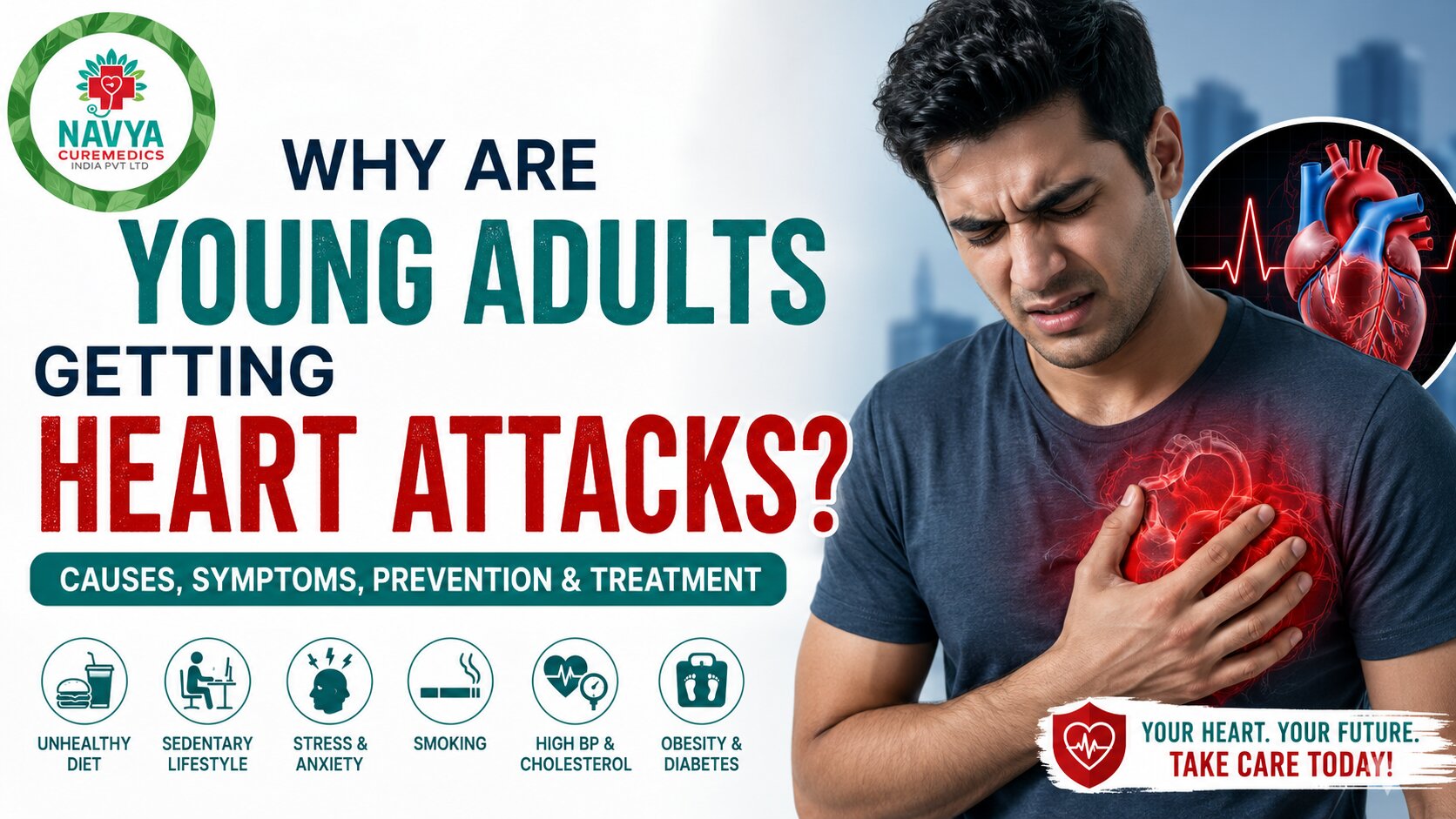
Why Are Young Adults Getting Heart Attacks?
Heart attacks were once considered a health problem mainly affecting older adults. However, doctors worldwide are now seeing an alarming rise in heart attacks among people in their 20s, 30s, and early 40s. Busy lifestyles, unhealthy eating habits, increasing stress, smoking, obesity, and chronic health conditions are making young adults more vulnerable than ever before.
Understanding the causes and recognizing the early warning signs can help prevent serious complications and even save lives.
Why Is the Number of Heart Attacks Increasing in Young Adults?
Several lifestyle and medical factors are contributing to this growing trend. Unlike previous generations, today's young adults often experience prolonged work stress, poor sleep, sedentary lifestyles, and unhealthy dietary habits.
Some of the major reasons include:
High stress and anxiety
Smoking and tobacco use
Excessive alcohol consumption
Obesity
Lack of physical activity
Diabetes
High blood pressure
High cholesterol
Poor sleep quality
Family history of heart disease
These factors gradually damage blood vessels and increase the risk of blocked arteries.
Common Causes of Heart Attacks in Young Adults
1. Unhealthy Diet
Fast food, processed meals, sugary beverages, and excessive salt intake increase cholesterol levels and contribute to plaque buildup in arteries.
2. Sedentary Lifestyle
Long working hours and minimal physical activity reduce cardiovascular fitness and increase obesity.
Experts recommend at least 150 minutes of moderate exercise every week.
3. Chronic Stress
Continuous mental stress increases cortisol levels, raises blood pressure, and can trigger inflammation in blood vessels.
4. Smoking and Vaping
Smoking damages artery walls, increases blood clot formation, and significantly raises the risk of heart attacks.
Even vaping may negatively affect heart health.
5. High Blood Pressure
Hypertension often develops without symptoms and quietly damages arteries over time.
Regular blood pressure monitoring is essential.
6. Diabetes
High blood sugar damages blood vessels and nerves controlling the heart.
Young adults with uncontrolled diabetes have a much higher risk of cardiovascular disease.
7. High Cholesterol
Excess LDL ("bad cholesterol") accumulates inside arteries, reducing blood flow to the heart.
8. Obesity
Being overweight places additional strain on the heart and is associated with diabetes, hypertension, and high cholesterol.
9. Lack of Sleep
Sleeping less than 6 hours regularly increases blood pressure and affects heart function.
Adults should aim for 7–9 hours of quality sleep.
10. Genetic Factors
Individuals with a family history of heart disease should undergo regular cardiac checkups, even if they feel healthy.
Warning Signs of a Heart Attack
Young adults often ignore symptoms, assuming they are caused by stress or acidity.
Seek immediate medical attention if you experience:
Chest pain or pressure
Pain spreading to the arm, jaw, shoulder, or back
Shortness of breath
Cold sweating
Dizziness
Nausea or vomiting
Extreme fatigue
Irregular heartbeat
Early treatment greatly improves survival.
Risk Factors
The following increase the likelihood of heart attacks:
Smoking
Obesity
Diabetes
High blood pressure
High cholesterol
Family history
Stress
Lack of exercise
Excessive alcohol intake
Poor sleep
How to Prevent Heart Attacks at a Young Age
Eat a Heart-Healthy Diet
Include:
Fruits
Vegetables
Whole grains
Nuts
Fish
Lean proteins
Healthy fats
Limit:
Fried foods
Processed meat
Sugary drinks
Excess salt
Exercise Regularly
Aim for:
30–45 minutes of walking
Cycling
Swimming
Jogging
Strength training
At least five days a week.
Quit Smoking
Stopping smoking immediately begins reducing cardiovascular risk.
Manage Stress
Practice:
Meditation
Yoga
Deep breathing
Mindfulness
Regular breaks from work
Get Regular Health Checkups
Monitor:
Blood pressure
Blood sugar
Cholesterol
Body weight
BMI
Even healthy-looking young adults should have periodic screenings.
Maintain Healthy Sleep
Sleep 7–9 hours every night.
Poor sleep is associated with obesity, diabetes, hypertension, and heart disease.
Treatment for Heart Attacks
Emergency treatment may include:
Aspirin
Blood-thinning medications
Angioplasty
Stent placement
Coronary artery bypass surgery (CABG)
Cardiac rehabilitation
Treatment depends on the severity and location of the blockage.
When Should You See a Cardiologist?
Consult a heart specialist if you experience:
Frequent chest discomfort
Breathlessness
Palpitations
High blood pressure
High cholesterol
Diabetes
Strong family history of heart disease
Regular evaluations can detect problems before they become life-threatening.
Conclusion
Heart attacks are no longer limited to older adults. Modern lifestyles, unhealthy habits, stress, obesity, smoking, diabetes, and high blood pressure have significantly increased cardiovascular risk among young adults.
The good news is that most risk factors are preventable. Healthy eating, regular exercise, stress management, avoiding tobacco, and routine medical checkups can dramatically reduce your chances of developing heart disease.
Taking care of your heart today is an investment in a healthier future.
Tags:
Best Doctors In HardoiBest Doctor For HeartBest Cardiologist In HardoiNavya Life Plus Hardoi
← Back to all blogs